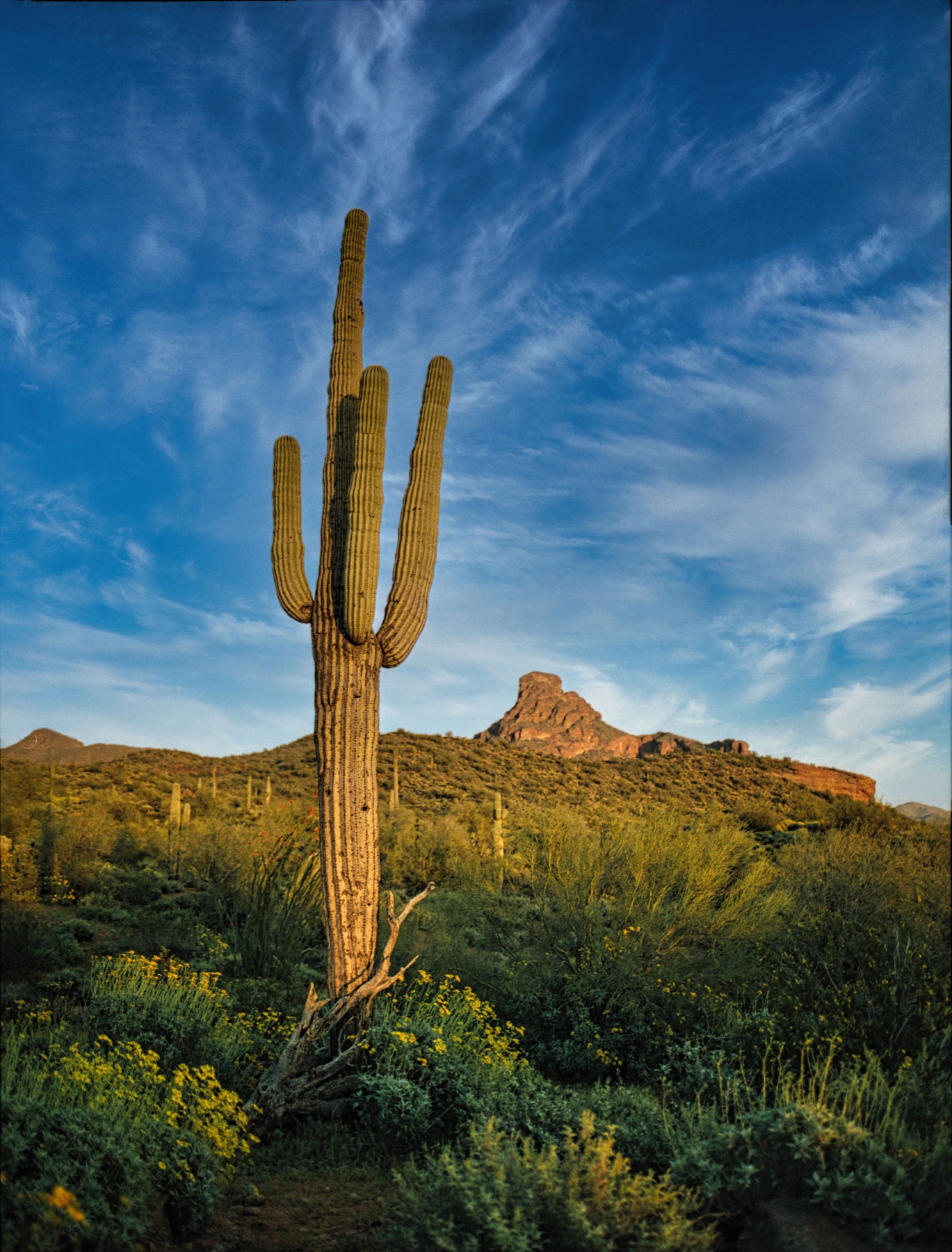
Phoenix music does not gather inside one district, genre, or mythology. It moves across a vast metropolitan landscape through independent rooms, neighborhood communities, radio signals, record stores, studios, and artists building connections across distance.
Phoenix is not one music scene. It is a network of scenes spread across a metropolitan area whose scale changes how artists meet, rehearse, perform, record, and build an audience. The music is shaped by distance, heat, highways, neighborhoods, migration, tribal homelands, suburban rooms, downtown redevelopment, and the stubborn determination required to keep culture moving across all of it.
The easiest version of Phoenix music history is a list of artists who became famous somewhere else. That version misses the city. To hear Phoenix clearly, listen for relationships: between rooms and neighborhoods, tradition and experimentation, musicians and organizers, audiences and the places willing to give new work a stage.
A City Spread Across Distance
The Phoenix music map extends far beyond the city limits. Phoenix, Tempe, Mesa, Scottsdale, Glendale, Chandler, and the communities between them function as overlapping parts of a regional ecosystem. A musician may rehearse in one city, play in another, record across town, and find collaborators through a show, record store, college station, or late-night conversation miles from home.
That geography creates friction. Transportation, parking, extreme heat, changing development, and the cost of maintaining a room all influence who can participate. But distance also produces distinct local pockets. The Valley is less a single center than a web of rooms and relationships that periodically converge.
The Music Was Here Before the City
Any honest account of music in Phoenix must begin deeper than the modern city. The Valley sits within Indigenous homelands and living cultural landscapes. The City of Phoenix’s S’edav Va’aki Museum stands on a 1,500-year-old archaeological site, and its name reflects O’Odham terminology and cultural consultation.
For Southwest Sound Waves, responsible coverage means listening to Indigenous artists, culture bearers, historians, and authorized sources on their own terms. Access does not equal permission, and a regional publication should never treat living traditions as decorative context.
Mexican American Phoenix Built Its Own Rooms
Mexican American communities helped build Phoenix music through neighborhood halls, ballrooms, radio, family gatherings, independent promotion, and the everyday circulation of records and songs. That infrastructure carried identity and memory through migration, labor, segregation, displacement, and redevelopment.
This history deserves more than a passing genre label. Our future reporting will draw from archives, oral histories, artists, families, and community institutions to document the rooms and networks that made the music possible.
Downtown Is Important—but It Is Not the Whole Story
Downtown Phoenix, Roosevelt Row, and Grand Avenue are important parts of the contemporary map. Artists and independent businesses have worked for decades to create gathering places there. The City of Phoenix recognizes Roosevelt Row and Grand Avenue as distinct districts within the city’s cultural landscape.
Yet a downtown-only story leaves too much out. Phoenix music also grows in suburban practice rooms, neighborhood bars, all-ages spaces, house shows, community centers, record stores, studios, and temporary venues. The city’s scale makes those less visible spaces essential.
Independent Rooms Create Permission
Small venues do more than present finished artists. They create permission to begin. They are where a first band gets a stage, a DJ tests an unfamiliar transition, an experimental set finds its audience, and different scenes realize they share people and ideas.
These rooms are fragile. Rent, licensing, staffing, development, and the economics of live music can erase years of community work quickly. Covering them as cultural infrastructure—not merely nightlife—is central to understanding the Valley.
Phoenix Punk Was Built Through Refusal
Punk in Phoenix has repeatedly turned limitation into method: self-booked shows, handmade flyers, borrowed equipment, independent recordings, and all-ages communities built outside established channels. Its history belongs not only to the names that traveled beyond Arizona, but to the people who kept local rooms, labels, and networks alive.
Hip-Hop Makes the Metropolitan Map Audible
Phoenix hip-hop carries the geography of the Valley in its collaborations, crews, studios, promoters, visual artists, dancers, DJs, and independent media. It reveals how communities connect across distance and how local identity develops without waiting for national permission.
Electronic Music Lives Between Club and Experiment
The Valley’s electronic music moves between clubs, warehouses, desert gatherings, independent parties, radio, home studios, and experimental performance. DJs and producers build continuity between scenes that may otherwise rarely share a room. Nightlife, in this sense, is cultural space: a place where sound, identity, movement, and community are negotiated in real time.
Jazz, Improvisation, and Musical Memory
Phoenix also has a living jazz and improvisational culture supported by musicians, educators, presenters, and institutions. The Nash connects performance and education in a space named for Phoenix-born drummer Lewis Nash. The Musical Instrument Museum adds concerts and educational programming to the wider regional conversation.
These institutions matter most when understood alongside the teachers, working musicians, jam sessions, small ensembles, and informal mentorship that keep musical knowledge in motion.
Institutions Preserve—and Frame—the Story
Museums, archives, libraries, public arts programs, and established venues can preserve history and make culture visible. They also shape which stories receive resources and recognition. Phoenix maintains a network of city cultural facilities, while independent communities often preserve their histories through personal collections, flyers, recordings, and memory.
A complete listening map needs both: institutional records and community knowledge, compared carefully and credited clearly.
Growth Creates Opportunity and Pressure
Rapid growth can bring new audiences, collaborators, investment, and rooms. It can also raise costs, displace communities, and erase the informal spaces where scenes develop. The question is not whether Phoenix is becoming a music city. It already is one. The question is whether the people creating its culture can afford to remain part of its future.
How to Listen to Phoenix
Listen beyond genre and beyond a single district. Follow the credits. Visit independent record stores. Pay attention to community radio and local promoters. Arrive early enough to hear the opener. Ask who designed the flyer, engineered the session, taught the artist, maintained the room, and connected the people involved.
The deeper story is usually in those connections.
What Southwest Sound Waves Will Cover
- Indigenous artists and cultural work through appropriate sources
- Mexican American ballrooms, radio, and neighborhood music history
- Punk, hardcore, and all-ages communities
- Hip-hop artists, DJs, producers, and infrastructure
- Electronic music, club culture, and experimental sound
- Jazz, improvisation, education, and musical memory
- Record stores, studios, archives, venues, and independent media
- Development, displacement, access, and the economics of keeping culture alive
- The wider Valley beyond a downtown-only narrative
- Connections across genres, generations, and Southwest cities
The Valley Is the Venue
Phoenix does not need to be simplified into a unified scene to be understood. Its identity lives in the movement between places and in the people willing to cross distance to create something together. The Valley is not an empty backdrop. It is the venue.
Southwest Sound Waves will keep listening, verifying, crediting, and mapping those connections—one room, artist, archive, and neighborhood at a time.
Keep exploring: Visit the developing Phoenix music page, browse all Southwest Sound Waves stories, or follow the wider independent music ecosystem at 1st Drop Music.