Not every musical project is designed for quiet discovery through headphones.
Some bands make their strongest argument in a room full of people: amplifiers moving air, drums setting the pace, musicians responding to one another, and an audience becoming part of the performance.
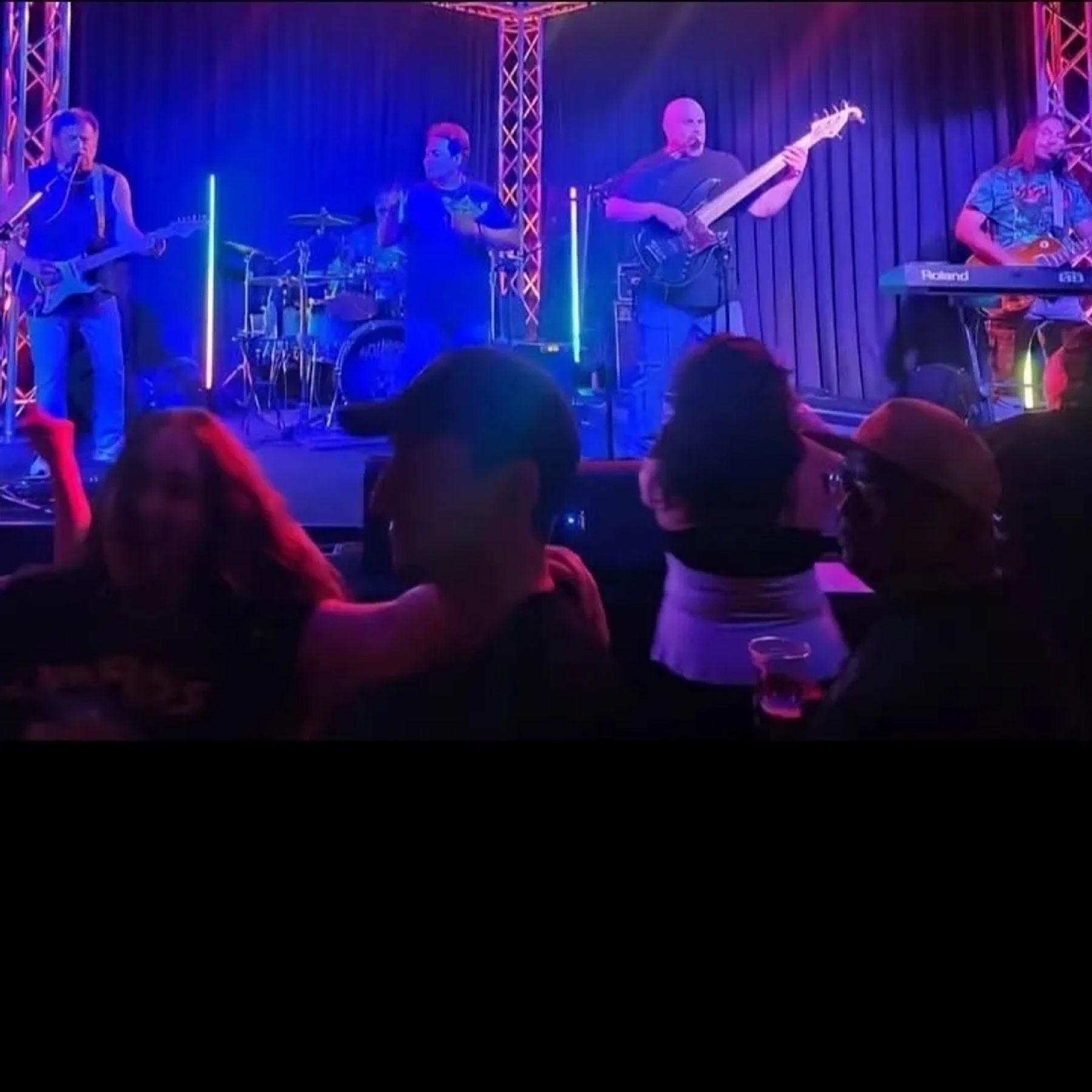
SourPuss is built around that exchange.
The Albuquerque, New Mexico, band describes itself in direct terms: rock and hard rock, played loudly and without apology. Its public identity emphasizes live energy, seasoned musicianship, recognizable rock foundations, and the ability to turn a performance into a shared event.
In a culture increasingly organized around individual tracks, recommendation systems, and private listening, SourPuss makes a case for something physical and communal.
Five Musicians Built for the Stage
SourPuss features:
- Jeff Sandoval on lead vocals
- Rob Brothers on bass and vocals
- Joey “Kee” Neundorf on guitar and vocals
- Lloyd Romero on guitar, keyboards, and vocals
- Gary Gabaldon on drums
The lineup gives the band several ways to create scale.
Two guitarists can divide rhythm, texture, harmony, and lead work. Keyboards broaden the available tonal range. Multiple vocalists make layered harmonies possible. Bass and drums provide the foundation required for music intended to feel as powerful as it sounds.
These roles become especially important in a live setting. A successful rock performance depends on more than executing the correct notes. Musicians must manage dynamics, pacing, physical presence, transitions, and the changing energy of the room.
SourPuss presents those demands as central to its identity.
Rock as a Living Performance Tradition
Rock music is often discussed through historical cycles: classic rock, glam, punk, alternative, grunge, modern rock, and the many revivals connecting them.
That language can make the genre sound like a sequence of finished eras.
Live performance tells a different story.
A guitar riff does not become irrelevant because its underlying vocabulary is familiar. A chorus does not lose its usefulness because generations of bands have written choruses before it. The question is whether musicians can make those elements feel immediate in the room where they are playing.
SourPuss approaches rock as a living performance tradition rather than a museum category.
The group’s materials reference classic and modern rock influences, with comparisons ranging from Journey and Queensrÿche to Stone Temple Pilots and even Bruno Mars. That combination suggests an interest not only in guitar weight, but also in melody, showmanship, groove, and audience connection.
The common thread is not a single decade. It is music meant to reach people directly.
The Importance of the Working Band
Regional music ecosystems need more than recording artists and touring headliners.
They need dependable working bands capable of activating local stages, supporting community events, appearing on festival bills, drawing people into clubs, and giving audiences a reason to gather.
This role is sometimes underestimated because it does not always fit the romantic story of an artist disappearing into a studio to create a masterpiece. Yet live music communities cannot survive on recordings alone.
Venues need performers who understand how to work within real conditions. Promoters need artists who communicate clearly. Audiences need nights that feel worth leaving home to experience. Other musicians need active stages where relationships and future opportunities can develop.
A working band contributes to all of those systems.
SourPuss positions itself squarely within that tradition: a group prepared to perform in clubs, at festivals, outdoors, and at private events throughout New Mexico and the wider Southwest.
Albuquerque’s Rock Identity
Albuquerque is large enough to support many musical communities but distant enough from the country’s largest industry centers to develop its own patterns.
The city’s location matters. Interstate routes connect it with Santa Fe, northern New Mexico, Arizona, Colorado, Texas, and destinations farther west. Local bands can remain rooted in Albuquerque while participating in a much broader regional circuit.
The city also contains an audience with decades of experience across hard rock, metal, punk, alternative music, classic rock, and related styles. These communities overlap without becoming identical.
SourPuss emerges from that environment.
Its identity does not depend on creating an imagined desert mythology. The regional connection is practical: Albuquerque is where the musicians work, where audiences encounter them, and where the band participates in maintaining a live-rock culture.
Familiarity Is Not the Same as Predictability
A band drawing from established rock traditions faces a particular challenge.
Familiar musical language can create an immediate connection with listeners, but it can also encourage performers to rely on recognition rather than presence. The difference lies in execution.
A strong live band treats a familiar structure as an opportunity. The audience understands the vocabulary, which means musicians can concentrate on feel, personality, arrangement, dynamics, and communication.
That is why two bands using similar instrumentation can produce completely different experiences.
The important question is not whether distorted guitar, vocal harmony, bass, keyboards, and drums have been used before. It is what these musicians do with them together—and whether the room changes when they begin to play.
The Audience Completes the Circuit
SourPuss consistently describes its performances through the relationship between the stage and the crowd.
That emphasis recognizes a fundamental truth about live music: the audience is not merely receiving the performance. It is influencing it.
Musicians notice when people move closer, sing, dance, respond to an introduction, or become quiet during a particular moment. Those reactions affect pacing and intensity. The performance becomes a feedback loop.
This is especially visible in rock, where physical volume and rhythmic force make the exchange difficult to ignore.
A recorded track remains the same each time it is played. A live performance cannot. The room, audience, sound system, stage, and emotional atmosphere make every version slightly different.
SourPuss builds its public identity around that unpredictability.
Professional Preparation Behind the Noise
The band’s official materials include a biography, individual member introductions, live video, photographs, booking information, and an electronic press kit.
That organization matters because apparent spontaneity onstage usually depends on preparation elsewhere.
A functioning live band manages rehearsals, equipment, transportation, schedules, communication, promotion, stage requirements, and relationships with venues. None of that administrative work is as visible as a guitar solo or final chorus, but it determines whether performances can happen consistently.
Professional materials help venues and promoters understand what a group offers. They also give journalists a reliable starting point for coverage.
For a regional band, that infrastructure turns musical capability into practical opportunity.
Coverage Should Include the Bands Doing the Work
Music journalism frequently concentrates on novelty, celebrity, and recorded releases. Those subjects matter, but they do not represent the complete musical life of a city.
The bands playing local stages week after week are part of the cultural infrastructure.
They keep venues active. They help audiences discover other performers. They build relationships with sound engineers, photographers, promoters, and event organizers. They create entry points for people who may not otherwise participate in a local music community.
SourPuss belongs in the Southwest story because the story includes this labor.
The group represents the working live-rock tradition: experienced musicians using familiar tools to create an experience that only exists when performers, amplification, and an audience occupy the same place at the same time.
Why Loud Music Still Matters
Volume is not automatically meaningful. Neither is restraint.
What matters is intention.
In SourPuss’s case, loudness functions as an invitation to participate. The sound is meant to be felt physically. The performance asks for attention, movement, and response. It rejects the idea that live music should disappear politely into the background.
That approach has value precisely because so much contemporary listening is solitary, compressed, and mediated through screens.
A live rock show restores scale. It reminds listeners that music is vibration, coordination, risk, labor, and community—not only content delivered through a device.
Listen and Learn More
Visit SourPuss’s official website for current performances, videos, photographs, and booking information.
The band’s official electronic press kit includes its biography, member details, live material, and professional contact information.
SourPuss makes its purpose clear: turn up, play hard, and give the audience a night that cannot be reproduced by pressing play at home.