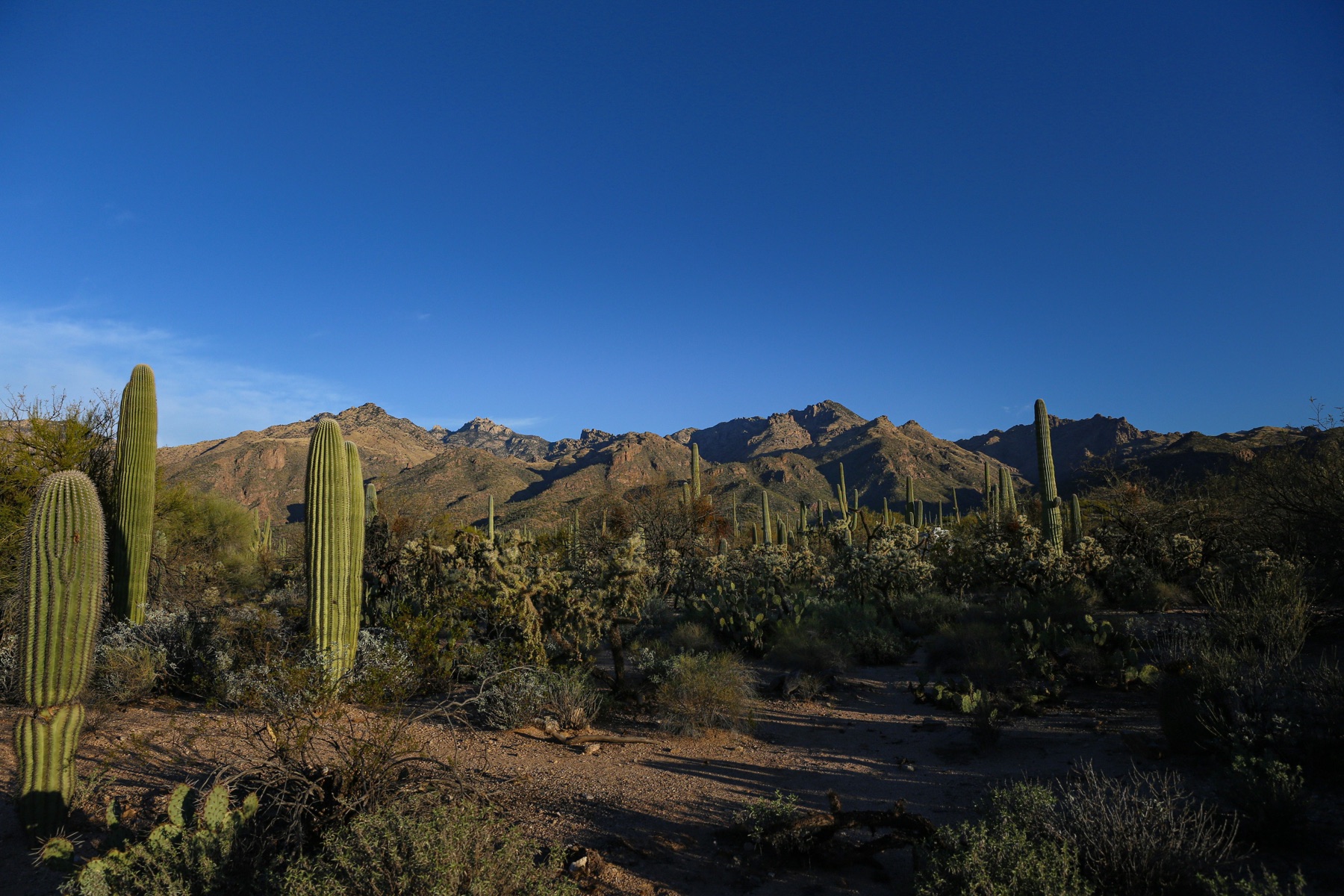
Tucson sounds different after dark. The heat loosens its grip, doors open, and music travels from patios, neighborhood bars, theaters, warehouses, community radio, restaurants, house shows, rehearsal rooms, and stages that may exist for only one night.
Tucson’s musical identity cannot be reduced to one genre or one familiar image of the Southwest. It is a borderlands city shaped by Indigenous homelands, Mexican American culture, migration, university life, military history, tourism, independent art, and constant movement between Tucson, Phoenix, Southern Arizona, northern Mexico, and the wider world.
The result is not a single Tucson sound. It is a culture of musical exchange.
Begin With the Land
Tucson exists on the ancestral homelands of the Tohono O’odham and within a region shaped by living Indigenous nations and communities. That history is not a decorative introduction to the city. It remains part of Tucson’s present.
Regional music coverage must distinguish between public performance, community representation, sacred knowledge, and cultural material that outsiders do not have permission to interpret. Southwest Sound Waves will approach Indigenous music through artists, culture bearers, tribal institutions, and authorized sources rather than treating tradition as atmosphere.
The desert is not empty, and its music did not begin when a modern city appeared.
A Border Changes the Sound
Tucson’s proximity to Mexico is not simply a geographic detail. Cross-border movement shapes language, families, food, visual culture, commerce, radio, celebration, and music.
Cumbia, norteño, mariachi, rock, punk, electronic music, hip-hop, folk traditions, and experimental work circulate through a cultural landscape that does not end neatly at an international boundary. Musicians absorb sounds through family gatherings, records, broadcasts, touring artists, neighborhood events, clubs, and collaborations.
The border can create restriction, surveillance, delay, and separation. Music simultaneously reveals how deeply connected the region remains. Understanding Tucson requires listening in both directions.
Community Radio Creates a Shared Room
Independent radio is one of Tucson’s most important musical connectors.
KXCI Community Radio began broadcasting in 1983 and describes itself as an independent, community-based station serving Tucson and Southern Arizona. Its programming spans genres and eras, supported by volunteer DJs and locally produced programs.
That variety matters. Community radio allows listeners to encounter sounds they did not request from an algorithm. A punk record can follow cumbia. Jazz can lead into experimental electronics. A local artist can be heard alongside a musician from another country or another generation.
KXCI’s Locals Only programming also provides a recurring platform for Tucson musicians and upcoming performances. The station functions as more than a broadcast outlet. It is an archive, meeting place, discovery system, and bridge between communities that may not regularly share a physical stage.
Independent Rooms Give Tucson Its Scale
Tucson’s musical character is closely tied to rooms where the distance between performer and audience remains small.
These venues allow music to develop before it becomes commercially obvious. Artists can try unfinished material. Touring musicians can meet local bands. Audiences can follow a scene across multiple spaces instead of consuming one isolated event.
Small rooms also hold memory. People remember where they first heard an artist, met a collaborator, danced to an unfamiliar record, or realized that their own work might belong on a stage.
This infrastructure is vulnerable. A room can disappear because of rent, redevelopment, staffing, licensing, ownership changes, or the difficult economics of independent live music. When a venue closes, Tucson loses more than a business. It can lose a network of relationships built over years.
Punk and the Practice of Making It Yourself
Tucson punk has long carried the practical knowledge of independent culture: book the room, make the flyer, borrow the equipment, share the bill, record the music, and build the audience directly.
That practice reaches beyond punk as a genre. It teaches communities how to work without waiting for a major institution to recognize them. The same methods can support experimental music, hip-hop, electronic events, independent publishing, visual art, and grassroots festivals.
A complete history must include more than the artists who later gained national attention. It must also recognize the promoters, photographers, engineers, record-store workers, all-ages organizers, and audience members who made the scene possible.
Desert Music Without the Costume
Tucson is frequently described through desert imagery. Some of that imagery is meaningful. Climate, distance, monsoon weather, mountains, vegetation, and open space affect daily life and creative work.
But “desert music” can become a costume imposed from outside: an easy mixture of dust, mystery, Western mythology, and invented nostalgia. Tucson artists deserve more precision.
The city’s folk, rock, country, experimental, Latin, electronic, jazz, punk, and hybrid music should be understood through the people creating it—not forced into a picturesque regional category. The landscape matters, but it does not explain everything.
Experimentation Grows at the Edges
Tucson has room for work that lives between categories.
Experimental musicians, improvisers, electronic producers, interdisciplinary artists, filmmakers, dancers, and sound artists often meet through small events and temporary collaborations. The boundaries between concert, installation, performance, and gathering can become intentionally unclear.
This kind of work benefits from a city where communities overlap. A musician may perform in a conventional band one evening and participate in an improvised or electronic project the next. Genre becomes a tool instead of an identity requirement. That flexibility is one of Tucson’s strengths.
Cultural Stewardship Requires More Than Promotion
In 2025, Tucson adopted ¡Somos Uno!, a cultural heritage strategy focused on the city’s arts, history, heritage, cultural equity, and shared stewardship. The city’s Cultural Affairs office now works to connect creatives, organizations, residents, and public resources.
That recognition is important, but cultural stewardship cannot depend on official programs alone.
The people preserving Tucson’s music history often work informally. They save recordings, flyers, photographs, set lists, oral histories, ticket stubs, radio archives, and personal memories. Some collections are held by institutions; others remain in garages, studios, record stores, and private homes.
Preserving Tucson music means finding ways to connect those sources without separating the material from the communities that created it.
Growth Can Strengthen or Erase a Scene
Tucson’s reputation attracts visitors, new residents, businesses, and investment. That attention can support artists and venues, but it can also transform neighborhoods and increase the cost of maintaining cultural spaces.
A healthy music economy cannot be measured only by ticket sales or tourism. It also depends on whether musicians can afford housing, whether small venues can survive, whether young people have access to all-ages spaces, and whether longtime communities remain connected to the neighborhoods they shaped.
Culture should not become valuable only after the people who created it have been displaced.
How to Listen to Tucson
Start with community radio. Attend a local bill without waiting for a nationally known headliner. Follow the opening artist. Visit an independent record store. Read the credits. Learn who recorded the session, designed the poster, booked the room, and introduced the musicians.
Listen across genres and generations.
When encountering cultural traditions outside your own community, begin with the people authorized to speak about them. Support artists directly whenever possible. Treat venues, radio stations, archives, educators, and independent media as parts of the same ecosystem.
Most importantly, resist the urge to hear Tucson only as an aesthetic. It is a living city, not a desert backdrop.
What Southwest Sound Waves Will Follow
- Indigenous artists and cultural work presented through appropriate sources
- Mexican American and cross-border musical histories
- Community radio and independent broadcasting
- Punk, hardcore, house shows, and all-ages organizing
- Cumbia, Latin music, and evolving regional hybrids
- Hip-hop, DJs, producers, dancers, and visual culture
- Folk, country, rock, and songwriting traditions
- Jazz, improvisation, electronic music, and experimental sound
- Independent venues, studios, record stores, and archives
- The effects of development, affordability, and displacement
- Connections across Southern Arizona and northern Mexico
The City Becomes Audible at Night
Tucson’s music is not contained by one neighborhood, venue, genre, or mythology. It lives in the movement between communities—and in the people willing to build a room, share a signal, preserve a memory, or invite someone unfamiliar into the conversation.
After dark, those connections become audible.
Southwest Sound Waves will continue mapping them carefully: through artists, listeners, places, archives, and the communities that give Tucson its sound.
Keep exploring: Visit the developing Tucson music page, browse all Southwest Sound Waves stories, or explore independent artists and releases through 1st Drop Music.