Taos does not need the population of a major city to create a meaningful music culture.
It has something different: a network small enough for relationships to remain visible.
Musicians encounter one another at performances, galleries, restaurants, recording sessions, community events, and ordinary places around town. A person may perform in one project, produce another, organize a show, teach lessons, design a poster, and help operate a venue.
That overlap is not incidental. It is how a mountain-town music ecosystem works.
Taos supports local artists, touring performers, community traditions, public concerts, intimate listening rooms, and an outdoor venue capable of attracting audiences from across northern New Mexico.
Its scale creates limitations, but it also encourages collaboration, resourcefulness, and unusually direct relationships between performers and listeners.
A Scene Shaped by Distance
Geography affects every part of musical life in Taos.
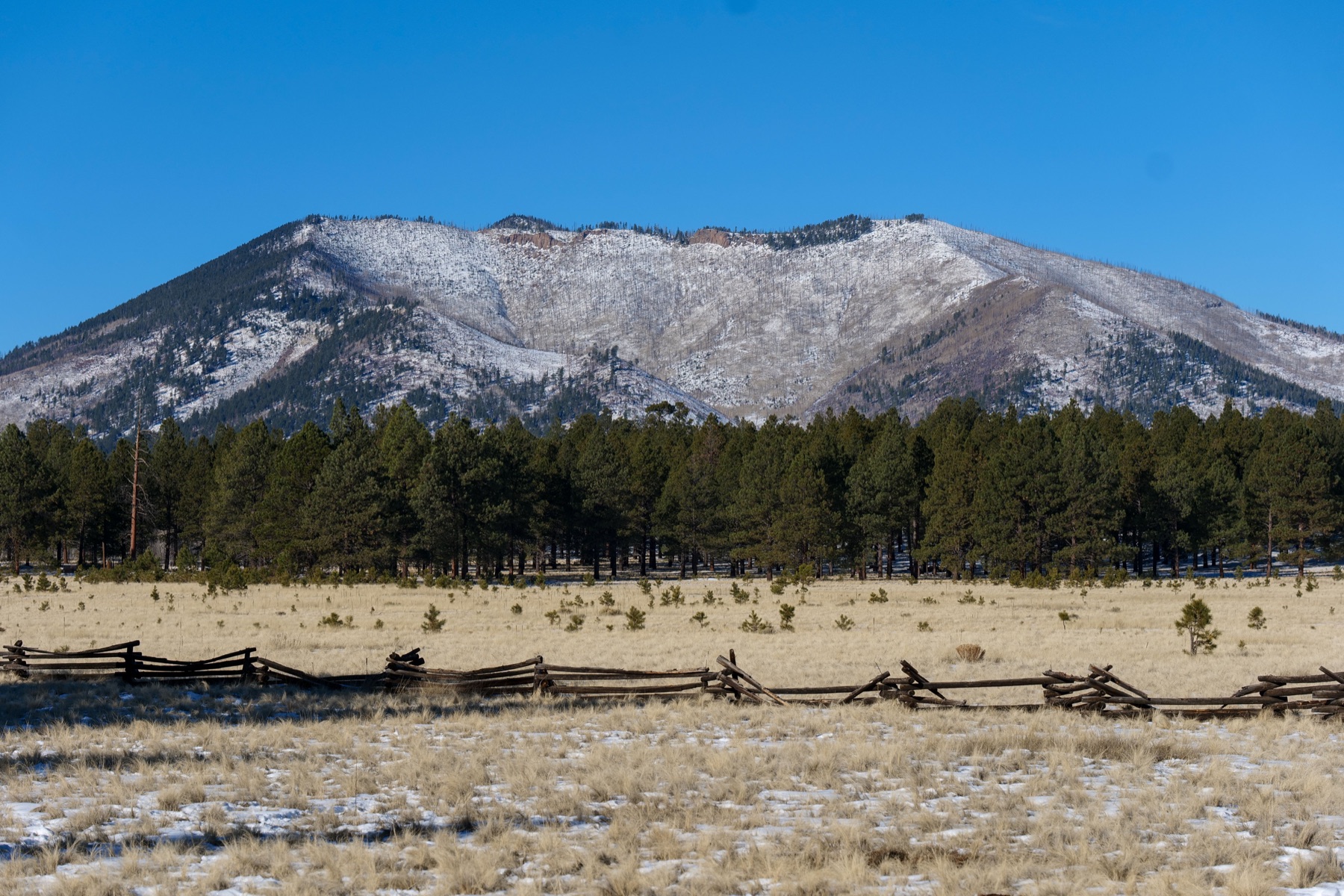
The town sits beneath the Sangre de Cristo Mountains, separated from larger regional cities by substantial travel. Artists cannot assume that audiences, equipment, touring routes, technical workers, or industry resources will always be close at hand.
Distance makes planning more important.
Touring performers must decide whether a Taos date fits between larger markets. Local musicians may travel to Santa Fe, Albuquerque, Colorado, or other parts of the Southwest to expand their audience. Listeners regularly weigh weather, road conditions, time, and distance before attending a show.
Those complications can make Taos appear isolated.
In practice, they also give the town a distinct place within the regional touring network. Taos can become a destination rather than merely another stop. Artists and audiences arrive with the intention of experiencing the place as well as the performance.
The landscape does not create the music, but it changes the conditions in which the music is made and heard.
Small Population, Dense Creative Life
Population numbers do not fully describe the cultural activity of a place.
Taos has long attracted painters, writers, filmmakers, craftspeople, dancers, musicians, independent thinkers, and people seeking alternatives to conventional professional paths. It is also home to families and communities whose relationships with northern New Mexico extend across generations.
These histories overlap without becoming interchangeable.
Taos Pueblo, Hispano communities, longtime local families, recent arrivals, working artists, seasonal residents, and visitors do not all experience Taos in the same way. Responsible coverage must recognize those differences instead of combining them into a convenient mythology of the “creative Southwest.”
The music scene grows from relationships among real communities—not from an abstract idea of desert or mountain inspiration.
Taos Pueblo Is a Living Community
Any discussion of Taos culture must recognize Taos Pueblo as a living sovereign Indigenous community, not a historical backdrop for the surrounding town.
Music, dance, ceremony, language, and cultural knowledge may carry meanings that are not available for unrestricted public interpretation. An event being visible does not automatically give an outsider permission to explain, record, reproduce, or repurpose it.
Southwest Sound Waves approaches Indigenous cultural work through artists, tribal institutions, culture bearers, and sources authorized to speak about it.
Respect begins with understanding that access has boundaries.
The musical story of northern New Mexico becomes more accurate when those boundaries are honored rather than treated as obstacles.
The Plaza Creates a Common Room
Public concerts give a small town a shared stage.
Taos Plaza Live brings free music to the historic Plaza during the summer, turning a familiar civic space into a gathering point for residents, families, visitors, and performers. The current series is presented as a recurring run of Thursday evening concerts rather than a single destination event.
That repetition matters.
A weekly concert series allows listening to become part of community routine. People can encounter an artist they did not already know, return with friends, or participate without committing to a ticketed evening.
Public performance also changes who feels invited.
A plaza is not a club with an unfamiliar door, a formal theater with assigned seating, or a late-night venue with age restrictions. It is a visible shared space. Music becomes part of the town’s public life rather than an activity hidden inside specialized rooms.
The series also gives local performers a platform alongside other regional musicians, helping connect the Taos scene to the larger musical geography of New Mexico.
The Taos Center for the Arts Connects Disciplines
The Taos Center for the Arts was established by working artists in 1953 and now operates a 275-seat theater and two galleries in the center of town.
Its mission combines live performance, film, exhibitions, community engagement, and collaboration. That multidisciplinary structure fits the way creative life operates in Taos.
Musicians rarely exist in isolation from other art forms.
They create scores for films, collaborate with dancers, perform at gallery events, work with photographers, and participate in productions that combine sound, image, movement, and storytelling. A flexible arts organization can support those connections more effectively than a room committed to only one type of presentation.
The Center’s programming has included local and touring performers, jazz, chamber music, theater, dance, film, exhibitions, and community-centered projects. Its fellowship and artist-development programs also demonstrate that presentation is only one part of cultural support.
Artists need places to develop work before they are ready to present it.
Taos Center for the Arts helps provide both the room and the relationships required for that process.
The Mothership Changes the Town’s Touring Scale
Taos Mesa Brewing’s Mothership provides a different kind of musical infrastructure.
Located on the Hondo Mesa in El Prado, the outdoor venue combines mountain views, food and beverage service, two stages, and the capacity to host internationally touring performers alongside local and regional artists.
A venue of this scale changes what is possible for the area.
It gives larger touring acts a reason to include Taos in regional routing. It brings listeners from outside town. It creates work for technical crews, hospitality staff, promoters, vendors, and local performers who may join bills as supporting artists.
The venue’s calendar demonstrates the breadth of music passing through Taos, including rock, country, reggae, electronic music, soul, folk, bluegrass-adjacent work, and projects combining several traditions.
It also provides visibility for Taos-based artists such as Big Violet, Lady’s Mantle, and Althea’s Secret within programs featuring touring performers.
The Mothership’s own description identifies it as both a concert venue and a community hub. That combination is important. A regional venue contributes most when it supports touring activity without becoming disconnected from the people making music nearby.
Explore the venue and its programming through the Taos Mothership.
Intimate Rooms Sustain the Weeks Between Major Shows
Large concerts attract attention, but a music scene survives through frequency.
Restaurants, taprooms, bars, galleries, hotels, listening rooms, and community spaces give musicians places to perform throughout the year. These smaller rooms allow artists to test material, build local audiences, create recurring events, and earn income between larger opportunities.
They also support forms of music that benefit from closeness.
A songwriter, acoustic ensemble, jazz group, experimental performer, or roots band may connect more powerfully in a room where listeners can hear every detail and observe the communication between musicians.
Small stages allow the audience to become part of the performance.
That intimacy can create loyalty. A listener who first encounters an artist during an ordinary evening may follow that musician to a theater, festival, or later release.
The official Taos live-music directory shows how hospitality businesses, cultural organizations, and dedicated venues collectively create the town’s performance network.
Festivals Make the Regional Network Visible
Taos supports annual events spanning music, dance, cultural celebration, chamber performance, opera, blues, and other traditions.
Festivals temporarily concentrate relationships that operate more quietly during the rest of the year.
Artists share stages. Visitors discover local businesses. Technical crews move between productions. Regional performers meet touring musicians. Audiences who arrive for a familiar name encounter someone new.
Events connected to Taos Plaza, Kit Carson Park, Taos Ski Valley, and arts organizations also demonstrate that the area’s musical geography extends beyond one downtown district.
The seasonality of these events presents a challenge.
A strong festival period does not automatically create sustainable work for musicians throughout the year. The larger opportunity is to use festival attention to build longer relationships: following artists, attending smaller performances, purchasing music directly, and returning outside peak tourism periods.
The annual Taos music-events guide provides an overview of several recurring programs across the area.
Creative Migration Changes the Sound
Taos attracts people who arrive from elsewhere and decide to remain.
Some come for the landscape. Others arrive through art, spiritual practice, outdoor life, family connections, employment, or the desire to live at a different pace.
Creative migration can introduce new skills, genres, equipment, relationships, and ideas. It can connect Taos with scenes in other cities and help independent artists imagine careers outside traditional industry centers.
It can also create tension.
New arrivals may romanticize the town without understanding its history. Tourism and outside investment can increase housing costs. Cultural imagery can be borrowed without proper context. Longtime residents and working artists may find themselves priced out of the place whose identity they helped create.
A healthy music scene requires more than attracting creative people.
It must create conditions in which local communities, young artists, working musicians, and culture bearers can continue living and creating there.
Artists Often Carry Several Roles
In a large city, creative work can become highly specialized.
One person performs. Another books the venue. Someone else records the music, manages promotion, creates visual material, repairs equipment, or documents the event.
Taos does not always have enough people or resources to separate those responsibilities.
Artists frequently become organizers, producers, designers, educators, technicians, and small-business operators. Venues depend on people capable of solving several different problems. Community relationships often substitute for formal industry infrastructure.
This creates resilience, but it can also create exhaustion.
When the same small group of people performs most of the invisible labor, burnout becomes a threat to the entire ecosystem. Supporting Taos music means valuing not only the person onstage, but also the people handling sound, booking, transportation, communication, documentation, hospitality, and cleanup.
Mountain-town culture is built through accumulated work.
Local Media and Calendars Help People Find the Music
Discovery is especially important when events are spread across a rural region.
A listener may need to know not only what is happening, but where it is, how far away it is, whether the event is indoors or outdoors, whether children can attend, and how weather could affect the evening.
Venue calendars, community publications, radio, posters, newsletters, artist accounts, and tourism listings all help people navigate those decisions.
The official Taos music calendar gathers performances, festivals, cultural events, classes, and other programming into one public resource.
No single calendar can capture everything.
Independent shows, temporary spaces, house concerts, and late announcements may circulate through smaller networks. That makes communication between artists, venues, residents, and local media essential.
A scene cannot be supported if people cannot find it.
Tourism Is Both Audience and Pressure
Visitors create meaningful opportunities for Taos musicians.
They purchase tickets, attend public concerts, spend money in venues, discover regional artists, and carry music beyond northern New Mexico. A visitor who forms a real connection with an artist may continue listening long after returning home.
Tourism can also reward a narrow version of place.
Musicians may be expected to confirm a visitor’s imagined Southwest rather than express the complexity of contemporary life. Music can be reduced to atmosphere for dining, shopping, or scenic travel.
Regional journalism should resist that reduction.
Taos musicians are not accessories to a mountain-town experience. They are working artists whose music may be joyful, confrontational, traditional, experimental, loud, intimate, familiar, or impossible to categorize.
The best visitors arrive prepared to listen rather than demand a performance of their expectations.
Weather Is Part of the Infrastructure
Outdoor music in Taos exists within changing mountain conditions.
Temperature can fall quickly after sunset. Wind, rain, snow, smoke, and seasonal fire risk can affect travel and production. Equipment must be protected. Audiences need accurate information. Artists and venues require contingency plans.
These realities are not merely logistical inconveniences.
They shape which events are possible, when they can occur, and how much financial risk organizers must accept. An outdoor venue may offer an extraordinary experience while remaining vulnerable to conditions no promoter can control.
Understanding the work behind a performance includes recognizing the environmental planning required to make it happen safely.
How Listeners Can Support Taos Music
People can strengthen the Taos music ecosystem through simple, consistent choices:
- Attend local performers as well as touring headliners.
- Arrive early enough to hear opening artists.
- Check venue policies and weather information before traveling.
- Purchase music and merchandise directly from musicians.
- Follow artists through websites, mailing lists, and platforms they control.
- Support free public concerts through respectful attendance and community participation.
- Credit performers, photographers, venues, and organizers when sharing their work.
- Treat Indigenous cultural practices according to the guidance of the communities they belong to.
- Visit during different seasons instead of concentrating attention only around major events.
- Recognize technical, production, hospitality, and organizing labor as part of the music culture.
Small scenes are especially responsive to participation.
One more person in the room can matter.
Mountain-Town Scale Is Not a Limitation
Taos will never operate like Phoenix, Albuquerque, Denver, Austin, or Los Angeles.
It should not try to.
Its strength comes from the closeness of its relationships, the range of disciplines that intersect, the contrast between intimate rooms and destination stages, and the determination required to create music at a distance from major industry centers.
The town’s musical culture remains fragile because venues, artists, audiences, and resources are limited.
It is also resilient because people learn to share roles, improvise solutions, and maintain direct connections with one another.
Taos makes a music scene at mountain-town scale.
That scale is not a lesser version of a city scene. It is a different system with its own possibilities, responsibilities, and sound.
Explore Music in Taos
Browse current performances through the Taos music-events calendar.
Learn about multidisciplinary programming and community work through the Taos Center for the Arts.
Explore upcoming concerts at the Taos Mothership.
Continue through northern New Mexico with Southwest Sound Waves’ profile of the Foggy Memory Boys and New Mexican wild-grass.